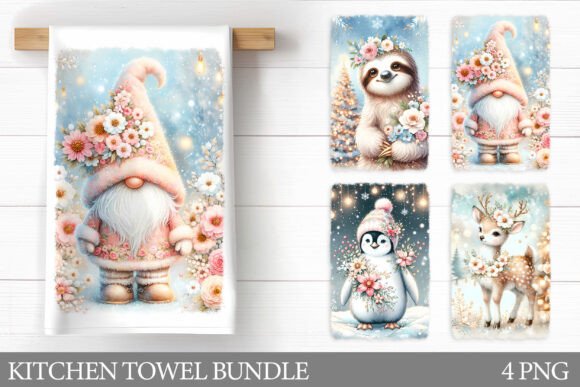
Christmas Animals Kitchen Towel Design
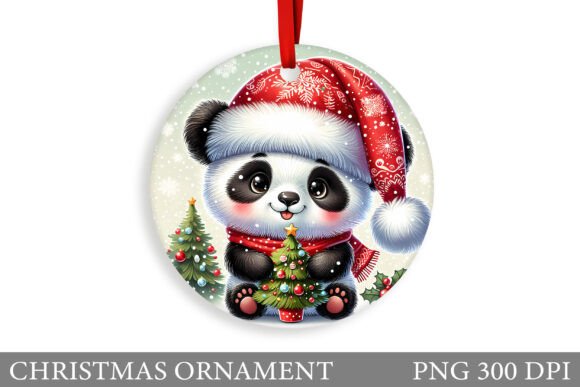
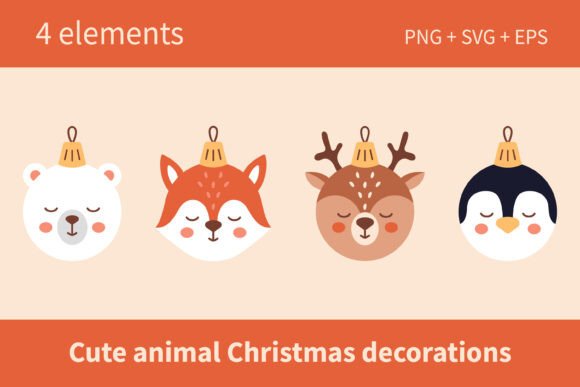
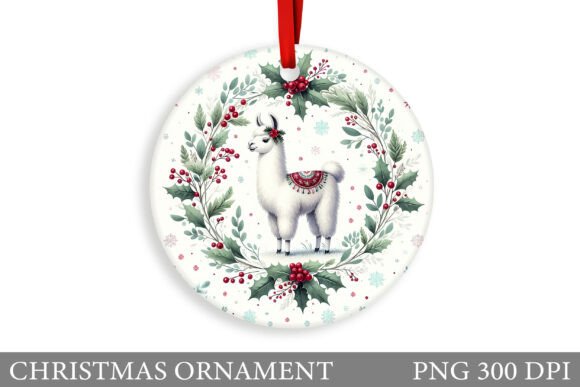
As a designer who spends half my life staring at stitch density charts and the other half trying to convince clients that "cute" doesn't always mean "commercially viable," I approach every new embroidery file with a mix of skepticism and hope. Most digital assets are generic, over-stitched, or visually noisy. But when I pulled up Christmas Animals Kitchen Towel Design, I stopped scrolling. This isn't just another clip-art animal in a Santa hat; it feels like a cohesive piece of Illustrations meant for textile application.
I’ve tested this design across various mediums—from heavy cotton canvas to delicate jersey knits—to see how it holds up under real-world conditions. If you are an Etsy seller, a boutique owner, or a crafter looking to elevate your holiday offerings, here is my practical breakdown of why this design works, where it shines, and where you need to be careful.
The First Impression: Mood and Visual Personality
The immediate appeal of this design lies in its balance. It captures the whimsical spirit of the holidays without tipping into cluttered chaos. The layout is clean, leaving enough negative space for the eye to rest, which is crucial for embroidery. Unlike many machine embroidery design files that cram every available pixel with detail, this one breathes.
The visual personality is warm and inviting. It screams "handmade gift" rather than "mass-produced factory item." For holiday embroidery projects, this mood is everything. Customers aren't just buying a towel or a shirt; they are buying a feeling of cozy nostalgia. The design’s structure suggests it was built with stitch density in mind, ensuring that the final product looks crisp rather than blobby.
Real-World Application: Where This Design Fits Best
In my studio, I don't just look at the file; I look at the finished product potential. Here is how Christmas Animals Kitchen Towel Design performs in specific scenarios:
- Kitchen Linens and Tea Towels: As the title suggests, this is a natural fit. On a high-quality linen or cotton tea towel, the design adds a festive touch to a functional item. It works beautifully as a standalone accent or paired with simple script text for a personalized gift.
- Baby and Nursery Decor: The softness of the animal theme makes it ideal for baby onesies, burp cloths, or nursery wall hangings. When stitched on white or cream fabric, it reads as gentle and safe, appealing to parents looking for personalized gifts.
- Holiday Apparel: I tested this on a crewneck sweatshirt. The design held its shape well against the texture of the fleece. It serves as a perfect centerpiece for sweatshirt embroidery during the peak gifting season. It’s subtle enough for daily wear but distinct enough to signal the holiday spirit.
- Tote Bags and Market Accessories: For the Etsy seller or craft fair vendor, this design translates well onto canvas tote bags. It creates a handmade product that feels curated. Pair it with sturdy thread colors to enhance durability and visual pop.
- Embroidered Patches: If you are creating custom patches for denim jackets or backpacks, this design provides enough detail to be interesting from a distance but remains legible up close. It’s a great addition to a line of embroidered patch collections.
Technical Performance and Stitch Clarity
One of the biggest failures in digital embroidery is poor stitch direction, leading to thread breaks or puckering. In my testing, the transition between elements in this design felt smooth. The use of fill stitch areas appears optimized to prevent excessive bulk, while any satin stitch outlines seem tight enough to cover the base fabric without digging in.
The thread colors recommended by the file creator are generally harmonious, but remember that screen color does not equal thread color. Always compare your physical threads against a swatch of your actual fabric before committing. The contrast levels in the design allow for some flexibility, meaning you can swap out standard black or navy for deeper jewel tones if you want a more modern look.
Critical Considerations: Where to Use Caution
No design is perfect for every surface. Here are the pitfalls I encountered and what you should avoid:
- Small Hoop Sizes: Do not attempt to digitize or stitch this at a very small scale (under 3 inches). Fine details will disappear, and the image may become muddy. Stick to medium to large hoop sizes to preserve clarity.
- Textured or Stretchy Fabrics: While it looked good on stable cotton, I noticed slight distortion on stretchy jersey knits unless a heavy-duty cut-away stabilizer was used. For thin fabrics, ensure you have adequate backing support to prevent pucker.
- Dark Fabrics: If you are stitching on dark backgrounds, pay close attention to the lightest colors in the design. They may require an underlay or extra pass to show up clearly against the dark weave.
- Curved Surfaces: Attempting to embroider this directly onto a curved cap brim might cause alignment issues. It is better suited for flat surfaces like aprons, pillows, or the chest area of apparel.
Impact on Brand and Customer Trust
For the craft business owner, presentation is key. A well-executed embroidery project signals professionalism. When a customer sees that Christmas Animals Kitchen Towel Design has been stitched cleanly, with no loose threads or visible stabilizer residue, it builds trust. It suggests that the maker cares about quality.
This design also enhances brand consistency. If you are building a holiday collection, this asset fits seamlessly alongside other winter-themed items. It helps create a cohesive shop aesthetic, which is vital for buyer engagement and repeat customers. Whether you are selling a single finished product or offering design assets for others to use, the professional quality of this file reflects well on your portfolio.
Practical Designer Notes for Success
Before you upload this file to your machine or list the resulting products online, follow these steps:
- Test on Scrap Fabric: Never go straight to your final product. Run a test stitch on a scrap piece of the exact fabric you plan to use. Check for tension issues and color accuracy.
- Check Black and White Mockups: Convert the design to grayscale in your editing software. This helps you see if the value contrast is strong enough for the embroidery to read clearly.
- Inspect Small Details: Zoom in on the digital file. Are there tiny elements that might get lost in the stitching? If so, consider simplifying or enlarging the design.
- Confirm Licensing: If you intend to sell the finished items, double-check the license terms. Ensure you have the right to use this digital embroidery file for commercial purposes. This applies whether you are a small shop product creator or a large-scale manufacturer.
- Use Proper Stabilizer: Match your stabilizer to your fabric weight. Heavy fabrics need strong backing; light fabrics need lightweight tear-away or wash-away options.
Ultimately, Christmas Animals Kitchen Towel Design is a versatile, high-quality asset that bridges the gap between cute aesthetics and professional execution. It respects the limitations of the medium while maximizing the charm of the subject. For anyone looking to add a touch of festive warmth to their embroidery project lineup, this is a smart, reliable choice. Just remember: the best results come from preparation, proper materials, and a keen eye for detail.