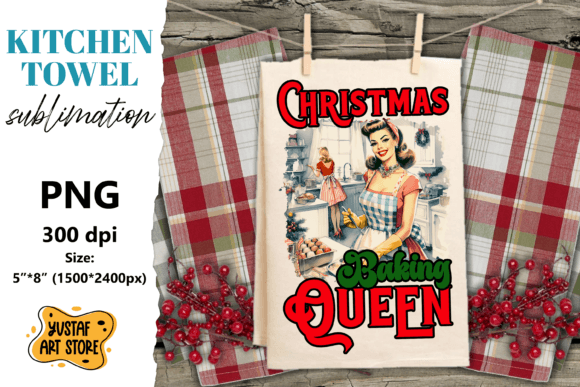
Retro Christmas Towel Sublimation. Merry
As an embroidery designer who has spent years testing digital files on actual fabric, I have learned that the gap between a screen preview and a stitched reality is where most projects succeed or fail. When I first pulled up Retro Christmas Towel Sublimation. Merry, my initial reaction was less about technical specs and more about vibe. It carries a specific nostalgia—a warm, slightly faded aesthetic that feels like a memory of a holiday morning rather than a sterile, high-contrast graphic. For those of us in the craft business or running a small shop, capturing that mood is often harder than executing complex digitizing. This design attempts to bridge that gap, offering a piece of Illustrations that feels ready for the hoop.
First Impressions and Visual Personality
The moment you look at this file, the "retro" aspect isn't just a label; it dictates the entire composition. The layout suggests a relaxed, vintage charm that works exceptionally well for seasonal items. Unlike aggressive, modern vector art that can sometimes feel cold when stitched with synthetic threads, this design invites a softer approach. It naturally lends itself to embroidery project contexts where comfort and tradition are key selling points.
From a design perspective, the visual personality is cohesive. It avoids clutter, which is a common pitfall in holiday-themed assets. Instead of cramming every possible symbol into one frame, it focuses on a central theme that allows the stitching to breathe. This is crucial because in machine embroidery, negative space is just as important as the stitch lines. The embroidery file appears to balance detail with simplicity, making it accessible for both seasoned pros and hobbyists who might be intimidated by overly dense patterns.
Real-World Application: The Tote Bag Test
To truly evaluate a design, you have to imagine it on a finished product. Let’s take a practical scenario: preparing inventory for a local craft fair or updating an Etsy listing for the holiday season. I envision Retro Christmas Towel Sublimation. Merry on a heavy-duty canvas tote bag. This is a staple item for Etsy sellers and boutique branding because it is versatile and giftable.
When I mentally place this design on a natural-colored canvas tote, the retro tones pop without overwhelming the texture of the fabric. It transforms a generic accessory into a personalized gift that feels curated. However, if I were to move this to a dark-colored tote, I would need to be very careful with underlay stitches to ensure the base colors don’t show through. The design’s strength lies in its ability to elevate simple materials. On a plain white tea towel, it becomes a charming kitchen accent; on a sweatshirt, it offers a cozy, nostalgic statement. This versatility is what drives sales in the small shop product market.
Performance in Stitching and Fabric Interaction
Not all designs translate equally well to thread. Here is where the real judgment comes in. This design relies heavily on clean lines and perhaps some satin stitch elements to define its shape. In practice, satin stitch requires a smooth fabric surface to lay flat. If you attempt to stitch this onto a highly textured fabric, like a chunky knit sweater or a rough burlap, the details may get lost or the stitches may pucker.
For best results, this machine embroidery design shines on stable fabrics. Cotton blends, fleece, and tight-weave linens are ideal candidates. When placed on a baby onesie or nursery decor item, the softness of the retro theme pairs perfectly with the gentle nature of the garment. It creates a handmade product that feels safe and warm. However, avoid using this on stretchy fabrics like spandex blends unless you are using a heavy stabilizer and a tear-away backing to prevent distortion. The integrity of the embroidery project depends entirely on the stability of the base material.
Where Caution Is Required
Even a well-designed asset has limitations. There are specific scenarios where Retro Christmas Towel Sublimation. Merry might struggle:
- Small Hoop Sizes: If you are working with tiny hoops (under 4x4 inches), fine details in the design may merge together. Always check the hoop size requirements before committing to a small patch or cap front.
- Dense Stitch Areas: While the design is not overly complex, any area with high stitch density will add weight and stiffness to the fabric. On delicate items like silk scarves or thin baby clothes, this can cause sagging or discomfort.
- Curved Surfaces: Applying this to a curved surface like a baseball cap requires precise placement. The retro style is somewhat flat-graphic in nature, so warping it around a curve might distort the intended aesthetic if not digitized correctly for curvature.
- Frequent Washing: For items that will undergo heavy laundering, such as aprons or work towels, ensure the thread quality matches the fabric durability. Retro designs often use muted colors, which can sometimes hide fading better than bright neons, but the structural integrity of the stitches is paramount.
Practical Designer Notes for Implementation
Before uploading this to your production queue or sending it to a client, there are several steps every professional should take. First, always test the design on scrap fabric that matches your final product in weight and texture. This reveals issues with tension, puckering, or color contrast that screens cannot show.
Check your thread colors carefully. The retro palette likely includes specific shades that might not have direct equivalents in standard thread sets. You may need to mix colors or choose the closest match to maintain the intended mood. Additionally, inspect the design in black and white mockups. This helps you see if the contrast levels are sufficient for readability once stitched, regardless of color choice.
Consider the stabilizer type. For woven fabrics, a cut-away stabilizer provides long-term support, while a tear-away might suffice for temporary items. If you are creating an embroidered patch, you will need a different backing process entirely. Also, verify whether the digital embroidery file includes instructions for commercial use. Many designers sell personal-use licenses only, so confirming licensing is essential before listing the item on platforms like Etsy or Amazon Handmade.
Final Verdict on Value and Appeal
In the crowded market of holiday goods, standing out requires more than just a festive image. It requires emotional resonance. Retro Christmas Towel Sublimation. Merry delivers on that front. It feels authentic, timeless, and crafted with care. For apparel decorators and creative entrepreneurs, this design offers a reliable way to create custom apparel that customers want to wear and display.
It performs best when paired with natural, earthy, or neutral backgrounds that allow the design to take center stage. Whether used for wedding gifts, holiday gifts, or commercial embroidery for a local brand, it brings a level of professionalism and warmth that resonates with buyers. By understanding its strengths and respecting its limitations regarding fabric and hoop size, you can turn this digital asset into a tangible success. It is not just a file; it is a foundation for a beautiful, marketable finished product.
Ultimately, the decision to use this design comes down to your target audience. If your customers appreciate vintage aesthetics, handmade quality, and thoughtful design choices, this is a strong addition to your library. It simplifies the creative process while delivering a high-end look, allowing you to focus on marketing and customer engagement rather than struggling with complex digitizing errors. Treat it with respect, test it thoroughly, and it will serve your craft business well throughout the season.