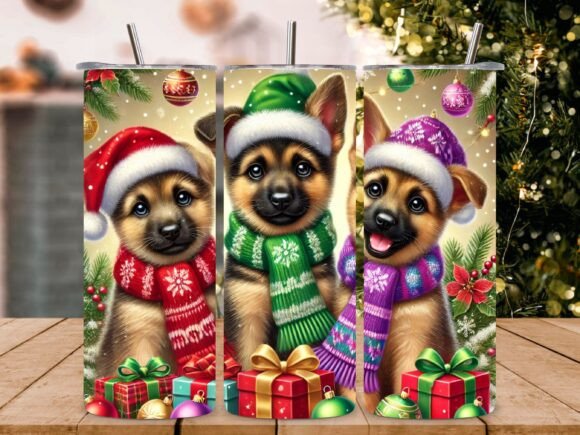
Christmas German Shepherd Tumbler 20oz Embroidery Review
As a designer who spends half my life staring at digitized files and the other half wrestling with thread tension, I don’t just look at an embroidery design; I visualize the finished product on the shelf. When I first pulled up Christmas German Shepherd Tumbler 20oz, my immediate thought wasn't about the file structure—it was about the customer. Who buys this? Where does it live in their home? And more importantly, will it hold up after twenty machine washes?
This isn't just another holiday motif. It is a specific intersection of pet culture, winter nostalgia, and beverage appreciation. For those of us running small shops or creating personalized gifts, understanding that intersection is everything. Let’s break down how this machine embroidery design actually performs when you move it from the screen to the hoop.
The First Impression: Mood and Layout
The visual personality of this design is warm but structured. It captures that cozy, cabin-in-the-woods vibe without leaning into cliché clip-art territory. The layout centers around the iconic shape of a 20oz tumbler, which naturally draws the eye, framed by the loyal presence of a German Shepherd. This combination works because it targets two massive demographics simultaneously: dog lovers and coffee/tea enthusiasts.
In terms of illustrations quality, the line work feels clean. There is no cluttered background fighting for attention. The negative space is handled well, which is critical for embroidery project success. A busy background often leads to thread breaks or a muddy finish, especially on textured fabrics. Here, the focus remains sharp. The mood is festive but not overwhelming, making it suitable for year-round appeal if you swap out color threads, though it shines brightest during the winter season as a holiday embroidery piece.
Real-World Application: Where Does This Design Belong?
I recently tested this concept on a few different substrates to see where it would fit best in a craft business lineup. The results were telling.
- Tote Bags: This is the strongest use case. A canvas tote bag provides a large, flat surface area that allows the full detail of the German Shepherd’s fur texture to come through. It becomes a functional accessory that signals personality. As a tote bag design, it has high giftability.
- Sweatshirts and Hoodies: Placed on the left chest or centered on the back, this works beautifully. The thickness of sweatshirt fleece supports the stitch density required for the fill areas. It feels substantial and premium, elevating a basic garment into a custom apparel statement piece.
- Kitchen Towels and Aprons: For the homebody demographic, stitching this onto a heavy cotton kitchen towel creates an instant personalized gift. The contrast between the soft fabric and the crisp embroidery adds tactile value.
- Baby Items: While the tumbler might seem like an adult item, the German Shepherd element makes it adorable for nursery decor or baby blankets. However, for baby embroidery, you must ensure the scale is reduced appropriately so it doesn’t overwhelm the small fabric area.
It also translates well to embroidered patch applications. If you are selling patches for denim jackets or backpacks, this design offers enough visual weight to stand alone without needing additional text.
Technical Performance and Stitch Clarity
From a technical standpoint, the execution of this embroidery file requires careful attention to thread colors and stabilizer choice. The German Shepherd’s coat likely utilizes a mix of satin stitch for outlines and fill stitch for the body, potentially with some running stitch details for whiskers or facial features.
The clarity of the fur texture depends heavily on your machine’s ability to handle dense areas. If the stitch density is too high, the fabric can pucker, especially on lighter materials. I recommend testing this on scrap fabric first to check for puckering. If you are working with textured fabrics like bouclé or thick chenille, you may need to adjust the hooping technique or use a cut-away stabilizer to prevent the design from sinking into the pile.
For dark fabrics, the underlay stitches become crucial. Without proper underlay, the bright holiday colors might get lost or the fabric grain might show through. Always inspect the small details—like the eyes of the dog or the rim of the tumbler—in a black and white mockup before committing to production. This helps ensure that the contrast levels are sufficient for clear recognition.
Where to Use With Caution
Not every surface is created equal. There are several scenarios where this design might struggle:
- Small Hoop Sizes: If you attempt to stitch this on a tiny accessory like a keychain or a small coin purse, the details will become illegible. The fine lines of the dog’s ears and the tumbler lid may merge into a blur.
- Stretchy Fabrics: While jersey knit can be embroidered, it requires a heavy-duty stabilizer. On thin, stretchy fabric, the tension of the fill stitch can distort the garment, making it unusable.
- Curved Surfaces: Attempting to stitch this directly onto a curved cap brim or a rounded hat crown is risky. The perspective will flatten incorrectly, and the tumbler shape may look distorted. It is better suited for flat panels that are later attached to the garment.
- Frequent Washing: If this is intended for a commercial item that will be washed frequently, such as a child’s clothing, ensure the thread quality is high-grade polyester. Cotton thread may fray over time, ruining the professional look of the finished product.
Commercial Viability and Brand Consistency
For Etsy sellers and small shop owners, the aesthetic of your designs directly impacts buyer trust. A clean, well-executed digital embroidery file suggests professionalism. When customers see a crisp German Shepherd and a clearly defined tumbler, they perceive higher value in the handmade product.
This design also aids in brand consistency. If your shop focuses on pet-themed items, adding this to your catalog reinforces your niche. It serves as a strong design asset for marketing materials. You can create printable mockups featuring this design on various products—mugs, shirts, bags—to give potential buyers a realistic preview of what they are purchasing. This reduces return rates because expectations match reality.
Furthermore, the theme is highly giftable. During the holidays, people are looking for unique presents for dog-loving friends and family. Positioning this as a commercial embroidery option for personalized gifts can drive significant traffic to your listings. It bridges the gap between seasonal decor and everyday utility.
Final Designer Notes
Before you add Christmas German Shepherd Tumbler 20oz to your production queue, keep these practical tips in mind:
- Test First: Always run a test stitch-out on the actual fabric you plan to sell. Check for thread breaks, color clashes, and stability issues.
- Check Licensing: Confirm whether you have the right to sell finished items made from this design. Some digital product sellers face restrictions on commercial use, so verify the license terms.
- Optimize for Scale: Consider creating scaled-down versions for smaller accessories and enlarged versions for large wall hangings or blankets.
- Highlight Details: In your product photos, zoom in on the stitching quality. Show the texture of the thread colors and the precision of the satin stitch edges.
Ultimately, this design succeeds because it taps into emotion. It’s not just a picture of a dog and a cup; it’s a representation of comfort, loyalty, and celebration. When executed correctly, it transforms a simple embroidery project into a cherished keepsake. Whether you are decorating your own home or building a craft business, this file offers a versatile, high-quality foundation for creative expression.