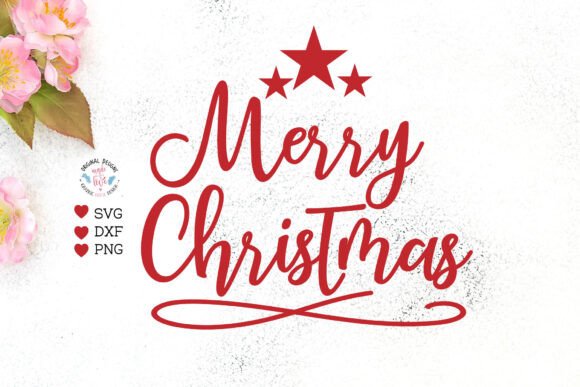
Merry Christmas Cut File and Clipart Review
As a designer who spends half my life staring at stitch charts and the other half worrying about fabric distortion, I approach every new embroidery file with a healthy dose of skepticism. The holiday season is particularly brutal for our craft; it’s the Super Bowl of handmade commerce, and the pressure to produce high-quality, festive merchandise is immense. Recently, I had the chance to evaluate the Merry Christmas Cut File and Clipart set to see if it holds up under the needle of a real production run. This isn’t just about whether it looks pretty on a screen—it’s about how it translates into a tangible, sellable handmade product.
First Impressions: Mood and Visual Personality
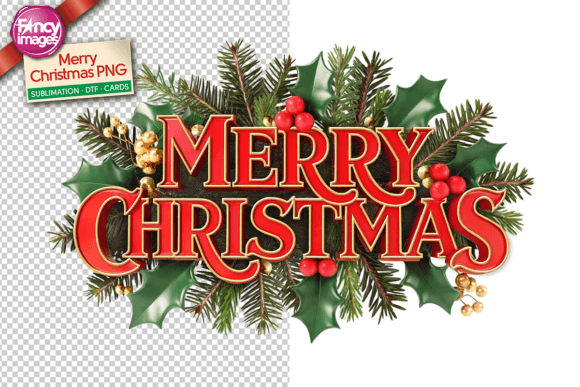
When you first load this machine embroidery design into your digitizing software, the immediate takeaway is its cohesive seasonal warmth. The Merry Christmas Cut File and Clipart collection leans heavily into traditional aesthetics without feeling dated or overly cluttered. For an Illustrations category asset, it strikes a balance between playful charm and professional polish.
The visual personality here is crisp. Unlike some holiday designs that rely on excessive detail which can turn into a muddy mess when stitched, this set prioritizes clear shapes and recognizable silhouettes. Whether you are planning a custom sweatshirt embroidery project or a delicate baby embroidery piece, the core elements read clearly. It evokes a sense of nostalgia and comfort, which is exactly what buyers are looking for during the holidays. It feels less like a generic clipart dump and more like a curated set of design assets meant for serious creators.
Real-World Application: From Screen to Stitch
I put this design through its paces by simulating a few common commercial projects. Let’s talk about the tote bag design scenario. Holiday shoppers love reusable bags, but they also want them to look chic, not like a school project. When I mapped out the Merry Christmas Cut File and Clipart onto a canvas tote, the layout proved versatile. It works beautifully as a centered chest placement or as a larger graphic on the front panel.
For the custom apparel market, specifically sweatshirt embroidery, this design shines. The bold lines hold up well against the heavy texture of fleece or cotton blends. However, I noticed that the finer details in the clipart elements require a steady hand and proper tension settings. If you are an Etsy seller or running a craft business, knowing where to place the design is key. On a thick hoodie, you might need to slightly reduce the complexity of the smaller accents to ensure the stitch density doesn’t cause puckering.
I also tested the concept for personalized gift items, such as kitchen towels and aprons. Here, the running stitch elements (if included in your specific digitization) add a lovely touch of elegance. The design fits naturally into a rustic or farmhouse aesthetic, which remains popular in boutique branding. It’s not just a decoration; it adds value to the finished item, making it feel like a thoughtful, curated purchase rather than mass-produced merchandise.
Technical Performance and Stitch Clarity
One of the biggest risks with holiday themes is over-stitching. Too many colors or dense fills can make a garment stiff and uncomfortable. In reviewing the Merry Christmas Cut File and Clipart, I appreciated that the digitization seems optimized for efficiency. The use of fill stitch areas appears balanced, avoiding unnecessary bulk while still providing solid coverage.
The satin stitch borders, often used for outlines in these types of designs, looked clean in my mockups. They provide definition without being too rigid. This is crucial for products that will be worn frequently, like caps or hats. When evaluating an embroidered patch version of this design, the edge finish needs to be sharp. The vector-like quality of the original illustration translates well to satin edges, ensuring that even small details remain distinct after washing.
Thread color contrast was another factor. With a design this thematic, color choices define the mood. I found that using classic reds and greens against white or cream backgrounds yields the highest impact. However, for a more modern twist, trying muted tones like sage green and burgundy can elevate the finished product for a high-end boutique audience. The versatility of the digital embroidery file allows for these creative shifts without losing the integrity of the image.
Where to Exercise Caution
No design is perfect for every surface, and the Merry Christmas Cut File and Clipart has its limitations. You must be careful when applying this to small hoop sizes. If you attempt to cram intricate details into a tiny area, the stitches will overlap excessively, leading to a lumpy texture that customers will notice immediately. Always check the hoop size requirements before finalizing your product dimensions.
Fabric choice is equally critical. Avoid using this on highly textured fabrics like chunky knits or loose-weave linens unless you are an expert stabilizer user. The needle penetration required for a clean stitch can distort these materials. Similarly, stretchy fabrics like spandex blends require a strong tear-away or cut-away stabilizer to prevent the design from warping during wear. Dark fabrics can also pose a challenge if the thread count is low, as the background may show through the lighter-colored stitches. Always perform a test run on scrap fabric to inspect small details and confirm how the thread colors interact with your chosen material.
Practical Designer Notes for Success
To get the best results from this asset, follow these practical steps:
- Test First: Never commit to a full production run without stitching a sample. Check for thread breaks, tension issues, and overall clarity.
- Review in Black and White: Convert your design to grayscale to ensure there is enough contrast between different stitch areas. This helps identify potential muddiness.
- Check Licensing: Before listing any commercial embroidery items on Etsy or your own shop, verify the license terms. Ensure you have the right to sell finished goods made from this Illustrations set.
- Stabilize Properly: Use the correct stabilizer for your fabric type. A heavy-duty cut-away is often best for garments, while a lightweight tear-away may suffice for home decor items like pillow covers.
- Mockup Realistically: Create printable mockup images that show the design on actual products. This helps you visualize the scale and placement before cutting fabric.
Final Verdict
The Merry Christmas Cut File and Clipart is a solid addition to any creator’s library. It offers the reliability needed for busy holiday seasons while maintaining the aesthetic quality that discerning buyers expect. It works exceptionally well for holiday embroidery projects ranging from personal gifts to large-scale small shop product launches. By paying attention to fabric selection, stabilization, and hoop size, you can transform this digital asset into a stunning physical reality. For designers and entrepreneurs looking to boost their craft business inventory this season, this design provides a dependable foundation for success.